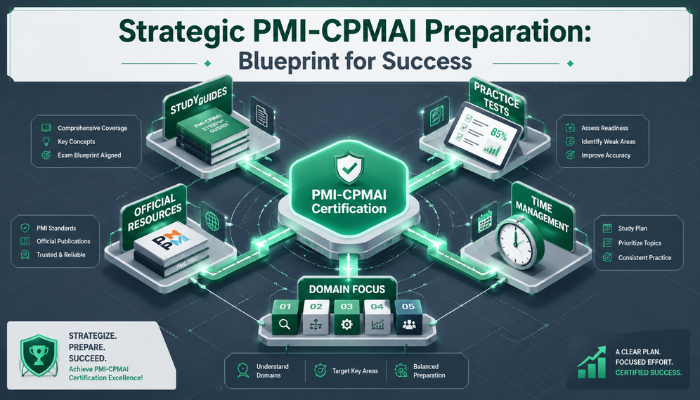
The PMI Certified Professional in Managing AI (PMI-CPMAI) exam validates a professional’s expertise in leading artificial intelligence projects effectively, from conception to operationalization. This certification is designed for project managers, program managers, and business analysts who are tasked with overseeing AI initiatives and ensuring their ethical, responsible, and successful delivery. Within this comprehensive guide, we will unpack the core aspects of the PMI-CPMAI certification, detailing its structure, syllabus, benefits, and crucially, how to navigate the costs associated with it to ensure you invest wisely in your career advancement, avoiding common pitfalls that lead to overspending.
Assessing the PMI-CPMAI Examination Structure
Understanding the fundamental parameters of the PMI-CPMAI exam is the first step toward effective and cost-efficient preparation. The certification is a rigorous assessment of your ability to manage AI projects responsibly and strategically within an organizational context. Familiarizing yourself with these details allows for better planning of your study schedule and budget.
The PMI-CPMAI exam is structured as follows:
- Exam Name: PMI Certified Professional in Managing AI
- Code: PMI-CPMAI
- Exam Price:
- PMI Member Price: USD $699
- PMI Full Price: USD $899
- Duration: 160 Minutes
- Number of Questions: 120
- Passing Score: PASS or FAIL (a specific numeric score is not disclosed by PMI)
These details provide a clear outline of the investment required in terms of both time and money. While the exam fee is a significant component, awareness of its precise cost helps candidates budget for additional preparation resources without incurring unnecessary expenses. To ensure you have the most current information directly from the source, consider reviewing the official PMI-CPMAI certification page.
Navigating the PMI-CPMAI Exam Syllabus Domains
The PMI-CPMAI certification demands a well-rounded understanding of AI project management across several critical areas. The exam’s syllabus is divided into five distinct domains, each weighted differently to reflect its importance in the lifecycle of an AI project. A strategic approach to your studies involves allocating time and resources proportionally to these domain weightages, preventing over-preparation in less critical areas and under-preparation in more heavily weighted ones.
The exam content covers these essential domains:
- Domain I: Support Responsible and Trustworthy AI Efforts (15%): This domain focuses on the ethical implications, governance, and societal impact of AI solutions, ensuring that AI projects adhere to principles of fairness, transparency, and accountability. It emphasizes the importance of mitigating bias and establishing trust in AI systems from the outset.
- Domain II: Identify Business Needs and Solutions (26%): Candidates must demonstrate their ability to translate organizational challenges into viable AI opportunities. This involves understanding stakeholder requirements, defining project scope, and evaluating the business value of AI interventions. It’s about ensuring AI projects solve real-world problems effectively.
- Domain III: Identify Data Needs (26%): Given that data is the fuel for AI, this domain stresses the crucial processes of identifying, acquiring, preparing, and managing data for AI model development. It covers data quality, privacy considerations, and the infrastructure required to support data-intensive AI projects.
- Domain IV: Manage AI Model Development and Evaluation (16%): This section dives into the practical aspects of building and testing AI models. It includes understanding different AI methodologies, overseeing model training, validating performance, and iterating on designs to achieve optimal results.
- Domain V: Operationalize AI Solution (17%): The final domain focuses on deploying and maintaining AI solutions in a production environment. This involves integration strategies, monitoring performance, ensuring scalability, and managing the ongoing lifecycle of AI systems to sustain their value.
By understanding these specific domains and their respective weightages, candidates can structure their study plan efficiently, dedicating more effort to areas like business and data needs, which represent over half of the exam content. For an in-depth review of the detailed topics within each domain, it is highly recommended to consult the official exam content outline provided by PMI.
Uncovering the True Investment for PMI-CPMAI Certification
The published exam fee for the PMI-CPMAI is a straightforward number, but many candidates find themselves overpaying due to unforeseen or poorly planned expenses. Beyond the base fee, the true cost encompasses study materials, training courses, and practice exams. Understanding these potential expenditures allows you to budget effectively and source high-quality, relevant resources without unnecessary financial outlay.
To avoid overspending, consider these components of the overall cost:
- PMI Membership: Becoming a PMI member before registration can save you $200 on the exam fee (USD $699 vs. $899). The annual membership fee is typically $129 plus a $10 application fee, still resulting in a net saving.
- Official Training Courses: PMI offers authorized training partners and courses that provide structured learning. While these can be beneficial, they often come with a substantial price tag, ranging from several hundred to a few thousand dollars. Evaluate if a full course is necessary based on your existing knowledge and learning style.
- Study Guides and Books: Numerous third-party publications and official PMI-recommended books exist. Investing in a couple of high-quality, up-to-date study guides is a wise decision. However, purchasing every available book can be redundant and expensive.
- Practice Tests: Engaging with practice tests is crucial for familiarizing yourself with the exam format and identifying knowledge gaps. Platforms like ProcessExam practice tests offer valuable simulations. Over-investing in multiple identical practice test sets, however, provides diminishing returns.
- Time Investment: While not a monetary cost, the time spent preparing is a significant investment. Efficient study strategies reduce the overall time commitment, allowing you to maximize your effort.
By meticulously evaluating each of these cost drivers, you can craft a preparation strategy that is both effective and economical, ensuring that your investment in the PMI-CPMAI certification is strategic and delivers maximum value.
Forging a Strategic PMI-CPMAI Exam Preparation Path
Effective preparation for the PMI-CPMAI exam is not merely about studying hard; it’s about studying smart. A well-structured preparation path helps candidates maximize their learning, reinforce key concepts, and approach the exam with confidence, ultimately contributing to a successful outcome without unnecessary expense or wasted effort. Tailoring your study methods to the exam’s structure and your personal learning style is paramount.
Consider these strategic steps for your PMI-CPMAI preparation:
- Understand the Exam Content Outline: Begin by thoroughly reviewing the PMI-CPMAI exam content outline. This document is your roadmap, detailing the percentage of questions from each domain and the specific tasks within them. It helps prioritize your study areas.
- Leverage Official PMI Resources: PMI often provides guides, case studies, or whitepapers related to AI project management. These resources offer insights directly aligned with the certification’s philosophy and content.
- Select Quality Study Materials: Choose one or two reputable study guides or reference books that cover the syllabus comprehensively. Look for materials that offer clear explanations, examples, and practice questions for each domain.
- Engage with Practice Exams: Regularly taking practice tests is indispensable. They simulate the actual exam environment, help you manage time effectively, and identify areas where further study is needed. Focus on understanding the rationale behind correct and incorrect answers.
- Participate in Study Groups: Collaborating with peers can provide different perspectives, clarify complex topics, and maintain motivation. Discussing concepts and challenging each other can deepen your understanding.
- Schedule Consistent Study Sessions: Consistency is key. Break down the syllabus into manageable chunks and dedicate regular time slots for study. Avoid cramming, as deep understanding is required for this certification.
- Review AI Project Management Best Practices: Beyond specific exam content, familiarizing yourself with general best practices in AI project management will enhance your comprehension and application skills.
By integrating these elements into a cohesive preparation strategy, candidates can optimize their learning journey for the PMI-CPMAI exam, ensuring they are well-prepared while managing their resources efficiently.
Realizing the Career Impact of PMI-CPMAI Certification
Investing in the PMI-CPMAI certification is a strategic move for professionals looking to establish or advance their careers in the rapidly evolving field of AI. This credential signifies not just theoretical knowledge but practical competence in managing complex AI projects, positioning certified individuals as invaluable assets in organizations embracing AI solutions. The benefits extend beyond personal skill enhancement to broader professional recognition and enhanced career trajectory.
The PMI-CPMAI certification offers several distinct advantages for career progression:
- Specialized Expertise: It officially validates your ability to manage AI projects, a distinct and in-demand skill set separate from traditional project management. This specialization makes you highly attractive to employers.
- Enhanced Job Prospects: As more companies integrate AI, the demand for project managers who can effectively lead these initiatives will only grow. Certified professionals are often prioritized for these critical roles.
- Increased Earning Potential: Specialized certifications frequently correlate with higher salaries. The PMI-CPMAI can open doors to more lucrative positions and command better compensation packages within the AI and technology sectors.
- Industry Recognition: PMI is a globally respected organization in project management. Earning their AI-focused certification lends significant credibility to your profile, distinguishing you in a competitive market.
- Contribution to Responsible AI: The certification emphasizes responsible and trustworthy AI, aligning professionals with ethical practices that are increasingly important for organizational reputation and compliance.
- Networking Opportunities: Becoming PMI-CPMAI certified connects you with a community of skilled AI project managers and thought leaders, fostering collaboration and professional growth.
- Future-Proofing Your Career: AI is a foundational technology for the future. Gaining expertise now ensures your skills remain relevant and valuable in the long term, protecting your career against obsolescence.
These benefits collectively underscore the strong return on investment that the PMI-CPMAI certification offers, transforming it from a mere credential into a significant career accelerator. Exploring more about the evolving landscape of project management careers in AI can provide further context by visiting PMI’s career resources.
Streamlining PMI-CPMAI Eligibility and Registration
To ensure a smooth journey towards certification, understanding the eligibility criteria and the registration process is fundamental. Missteps here can lead to delays or wasted effort. PMI outlines specific requirements for candidates, ensuring that only those with relevant experience and education are eligible to sit for the PMI-CPMAI exam. Adhering to these guidelines from the outset is crucial for a successful application.
Key considerations for eligibility and registration include:
Confirming Eligibility Requirements
PMI’s certifications typically have requirements around education and project management experience. For the PMI-CPMAI, candidates usually need:
- A secondary degree (high school diploma, associate’s degree, or global equivalent).
- Specific hours or years of general project experience.
- Specific hours or years of experience leading and directing AI projects.
- Formal education in project management or AI-related fields may reduce the required experience.
It is imperative to review the most current and detailed eligibility requirements on the official PMI website before you begin your application. This ensures that your academic background and professional experience align with the certification’s prerequisites.
Navigating the Online Registration Process
Once eligibility is confirmed, the registration process is straightforward:
1. Create a PMI Account: If you don’t already have one, create an account on the PMI website. Consider becoming a member at this stage to benefit from the reduced exam fee.
2. Complete the Application: Fill out the online application form, providing details about your education and work experience. This may involve documenting your project hours and responsibilities.
3. Application Review: PMI will review your application. This typically takes a few business days, but some applications may be subject to an audit, requiring submission of supporting documentation.
4. Schedule Your Exam: Once your application is approved, you will receive instructions on how to pay the exam fee and schedule your exam through a testing center or online proctoring service. Choose a date and time that aligns with your preparation schedule.
Careful attention to these steps will help you avoid common administrative hurdles and proceed efficiently towards your PMI-CPMAI exam. For comprehensive guidance on preparing for various certifications, you can explore resources available at iSecPrep certification guides.
Elevating Your Exam Day Performance
The culmination of your diligent study and financial investment is the exam day itself. While thorough preparation is vital, how you manage the actual test-taking experience can significantly influence your outcome. Optimizing your performance on exam day means more than just knowing the material; it involves strategic test-taking skills, managing stress, and ensuring you are in the best possible state to demonstrate your expertise.
Consider these critical strategies for maximizing your PMI-CPMAI exam performance:
- Familiarize Yourself with the Format: Understand the question types (multiple-choice, multiple-response, drag-and-drop, etc.) and navigation of the exam interface beforehand through practice tests.
- Time Management is Key: With 120 questions in 160 minutes, you have approximately 1 minute and 20 seconds per question. Practice pacing yourself during mock exams to ensure you can complete all questions without rushing.
- Read Questions Carefully: Many errors occur from misinterpreting a question. Pay close attention to keywords such as “not,” “always,” “best,” or “except.”
- Eliminate Incorrect Options: If unsure of the correct answer, eliminate clearly wrong options first. This increases your chances of selecting the right choice.
- Flag and Review: Use the exam’s flagging feature for questions you’re uncertain about. Move on and return to them later if time permits. Sometimes, other questions might provide context or jog your memory.
- Maintain a Positive Mindset: Stress and anxiety can hinder performance. Practice relaxation techniques, get adequate rest before the exam, and trust in your preparation.
- Technical Check (for Online Exams): If taking the exam online, ensure your internet connection is stable, your computer meets the technical requirements, and your environment is free from distractions.
By implementing these strategies, you can approach the PMI-CPMAI exam with a calm and focused demeanor, allowing your knowledge and skills to shine through and securing your certification.
Conclusion: Mastering Your PMI-CPMAI Investment
The PMI-CPMAI certification stands as a testament to advanced capabilities in managing AI projects, a skill set that is both cutting-edge and increasingly critical in today’s technological landscape. By strategically approaching its costs, leveraging high-quality preparation materials, and understanding the tangible career benefits, you can avoid the common pitfalls that lead many to overpay. This credential is more than just a certificate; it’s a doorway to enhanced career opportunities, greater earning potential, and a recognized leadership position in the exciting domain of AI.
Embark on your PMI-CPMAI journey with confidence and clarity. With thoughtful planning and smart preparation, you can achieve this valuable certification without unnecessary financial burden, ensuring your investment truly pays off. Prepare wisely, perform excellently, and elevate your professional profile in AI project management. To explore comprehensive preparation strategies and resources that align with your budget and learning style, start your journey towards success today.
Frequently Asked Questions
1. What specific skills does the PMI-CPMAI certification validate?
The PMI-CPMAI certification validates skills in identifying business needs for AI solutions, managing data requirements, overseeing AI model development and evaluation, operationalizing AI solutions, and most importantly, supporting responsible and trustworthy AI efforts throughout the project lifecycle.
2. Is the PMI-CPMAI certification suitable for individuals new to project management?
The PMI-CPMAI certification is generally designed for experienced project managers, program managers, or business analysts who already possess a foundation in project management and are now looking to specialize in AI projects. It typically requires a certain level of prior experience in project work and AI-related initiatives.
3. How does the PMI-CPMAI compare to other AI-related certifications?
The PMI-CPMAI stands out by focusing specifically on the project management aspects of AI initiatives, rather than the technical development or data science roles. It emphasizes governance, ethical considerations, and strategic oversight crucial for the successful delivery of AI projects within an organizational context, complementing more technical certifications.
4. Are there any prerequisites for taking the PMI-CPMAI exam?
Yes, PMI certifications generally have specific prerequisites regarding educational background and professional experience in project management and, for the PMI-CPMAI, specifically in AI-related projects. Candidates should check the official PMI website for the most current and detailed eligibility requirements before applying.
5. What is the typical duration for preparing for the PMI-CPMAI exam?
The preparation duration for the PMI-CPMAI exam varies widely based on an individual’s existing knowledge, experience with AI projects, and study habits. Many successful candidates dedicate several weeks to a few months of focused study, often involving a combination of self-study, training courses, and practice tests, to thoroughly cover the syllabus domains.


