Training a good model is the part of this exam you are least tested on. Five domains send most of 1Z0-1110-26 at the platform around the model: environments, secrets, jobs, pipelines and deployment.
Training a good model is the part of this exam you are least tested on. Five domains send most of 1Z0-1110-26 at the platform around the model: environments, secrets, jobs, pipelines and deployment.
Four hyperscaler certifications stand between you and NS0-604, and you need only one of them. Here is how the eight unweighted domains, the 80 percent bar and NetApp’s price list fit together.

UiAAP keeps the Associate’s 60 questions and 70 percent pass mark, then adds five topics and 52 more objectives. Most of the new material is testing, orchestration and governance.
AWS rebuilt two domains, moved four points of weight to identity and wrote seven new tasks into the Security Specialty blueprint. Here is what an SCS-C02 candidate keeps, drops and adds.
Scrum Masters who prepare for a technology exam get a surprise. Three of the four syllabus topics cover how you use AI with a team, and 40 questions leave room for six misses.
Most candidates revise connectors and skim the load script. The published weightings say connectors are eight percent and the script is nearly two fifths of the paper.
Most readers meet this credential expecting a course in using AI tools faster. The weightings tell a different story, and the largest domain covers controls that appear on no other CompTIA exam.
Every enterprise Linux certification covers boot, storage and SELinux. Only one expects you to patch a running kernel without rebooting, because the vendor behind it sells the technology that does it.
Most entry level AI certifications still teach the subject as it looked in 2019. This one names DeepSeek in its first domain and puts nearly a third of the paper on foundation models.
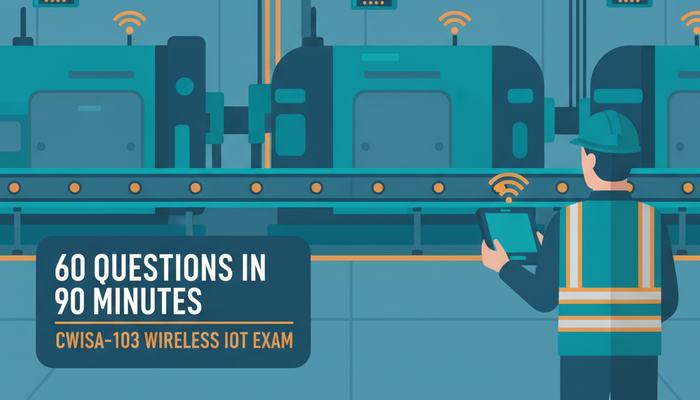
The most searched CWISA code is one nobody can sit any more. CWISA-102 closed on 31 December 2025, yet it still pulls more traffic than the exam that replaced it, so much of the material people find describes a syllabus that no longer exists.
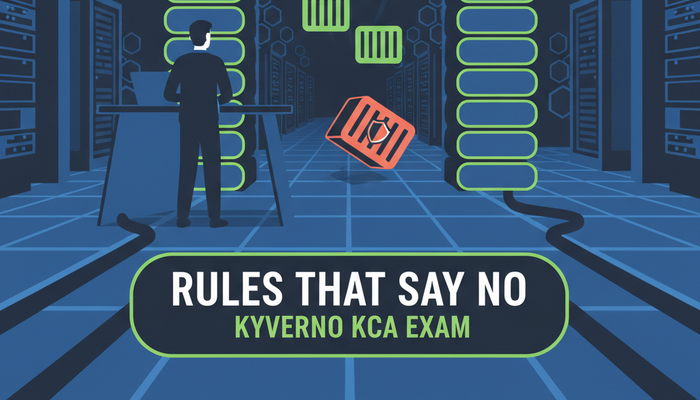
A policy engine read the manifest on the way into the cluster and refused it, and somebody had to write the rule that did the refusing. This credential is for that somebody, and a third of it rests on the writing.
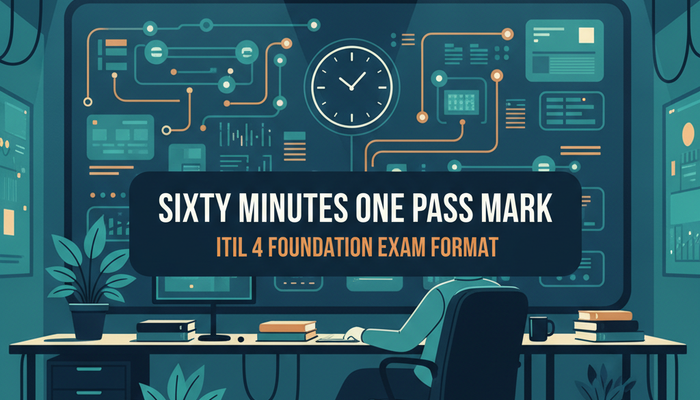
Nine topics, no weightings, and a clock that gives you ninety seconds a question. The specification for this paper is unusually plain, and almost nothing in it matches the gentle impression the word Foundation gives off.

Six Oracle services hide behind seven domain titles that name outcomes rather than products, and the biggest of them has nothing to do with the three pillars everyone revises. Here is where the fifty questions actually fall, and why two separate domains both deal with logs.
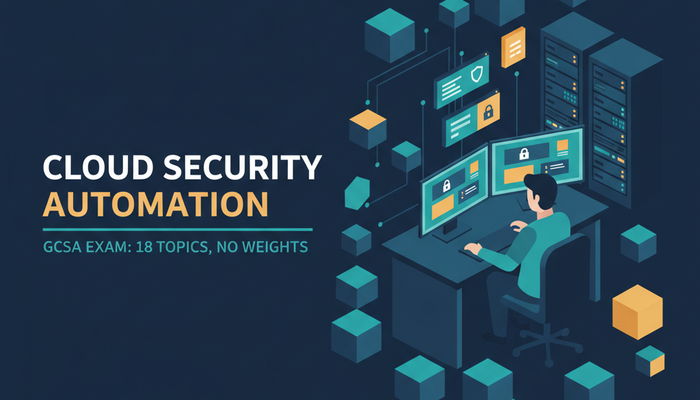
Eighteen objectives, seventy five questions, and not one percentage to tell you where the marks are. GIAC leaves GCSA candidates without the arithmetic every other study plan is built on, so here is how the eighteen group into five clusters and which one usually turns out to be the gap.


